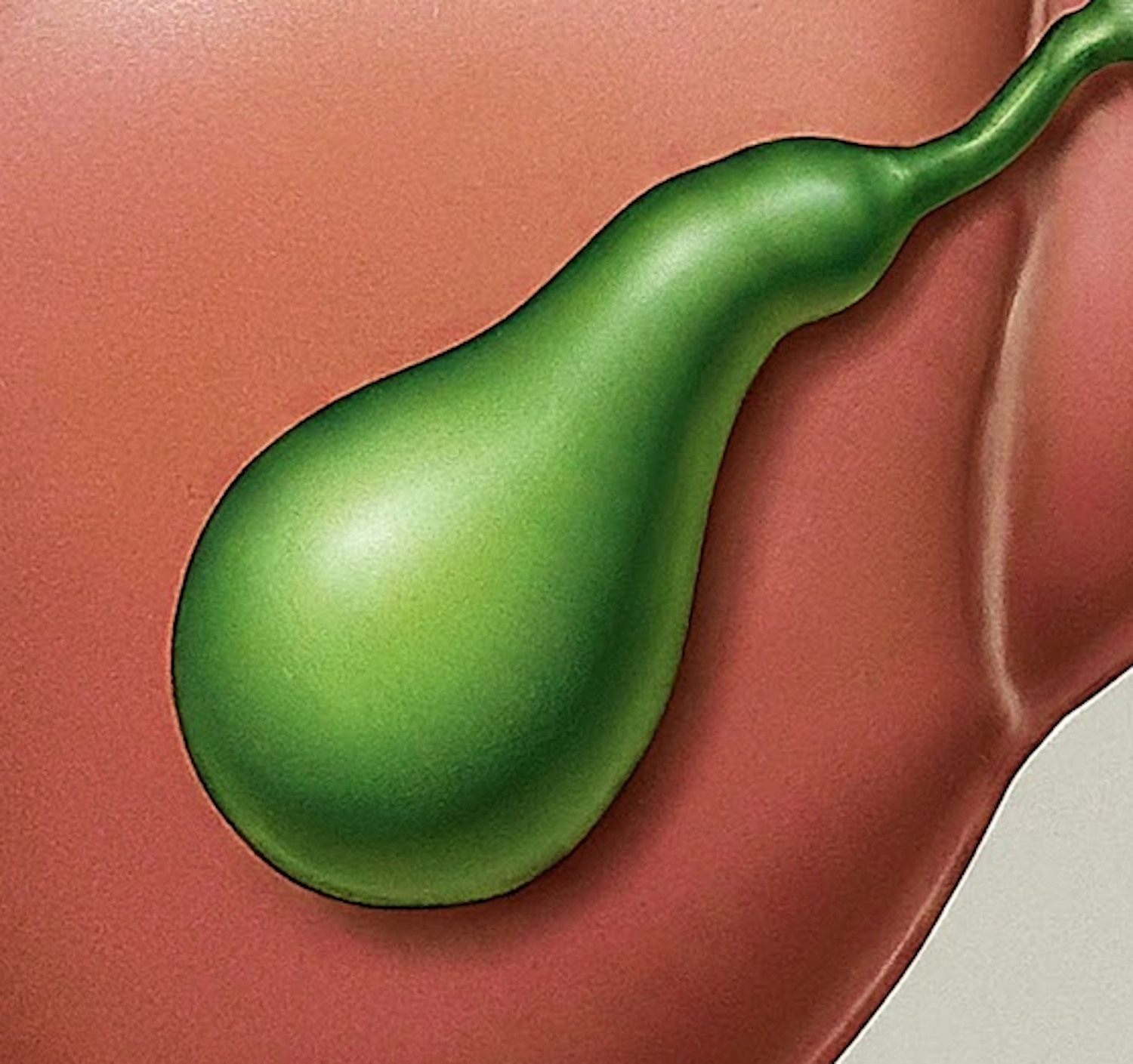
Biliary dyskinesia is when there is gallbladder dysmotility, which is defined as a gallbladder ejection fraction < 35%. It was first described in the 19th century. In 1981, Gerbail T. Krishnamurthy described a technique for measuring the ejection fraction of the gallbladder.
Presentation
- Biliary colic
- Intermittent RUQ abdominal pain
- Builds in intensity
- Lasts around 30 minutes then subsides
- Nausea, vomiting
- Negative Murphy sign
Workup
- Normal LFTs, bilirubin, amylase, and lipase, WC
- RUQ ultrasound → no evidence of gallstones or sludge
- CCK-stimulated HIDA scan
- Performed in order to support the diagnosis, not make the diagnosis
- Findings: EF < ⅓ at 20 minutes after CCK administration in patient without a stone is considered diagnostic
- CT and endoscopy may be used to rule out other diagnoses
Rome IV Criteria

Treatment
- Elective cholecystectomy: >85% of patients show improvement in symptoms
- Can avoid surgery and manage medically if minimally symptomatic or asymptomatic
- ERCP: if nonresponsive to cholecystectomy
Relevant Information
- Normal gallbladder ejection fraction is ≥ 35%
Resources
- Pilot Randomized Controlled Trial of Laparoscopic Cholecystectomy vs Active Non-operative Therapy for the Treatment of Biliary Dyskinesia (Richmond et al. – 2016)
- Highest level of evidence (30 people enrolled) to support using gallbladder ejection fraction making treatment decisions
- Abnormal ejection fraction predictive of symptom improvement after surgery, however no comparison between surgery and medical management alone