





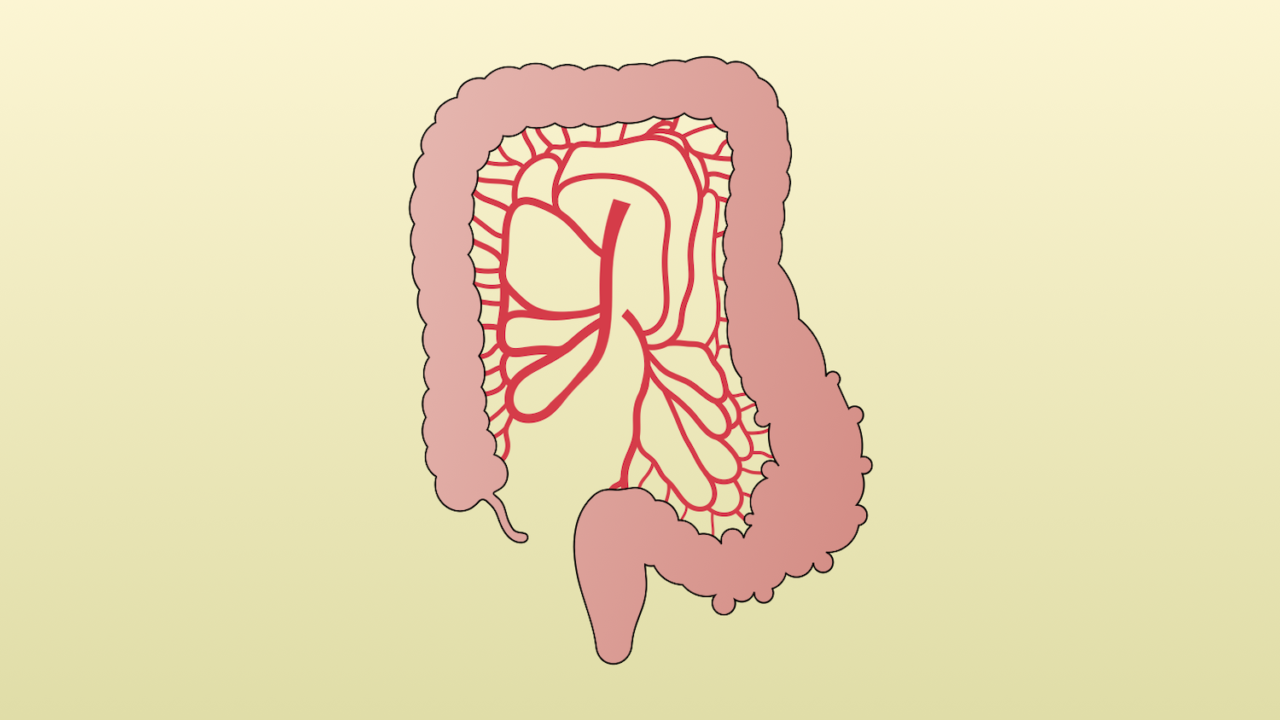
Ileus, postoperative
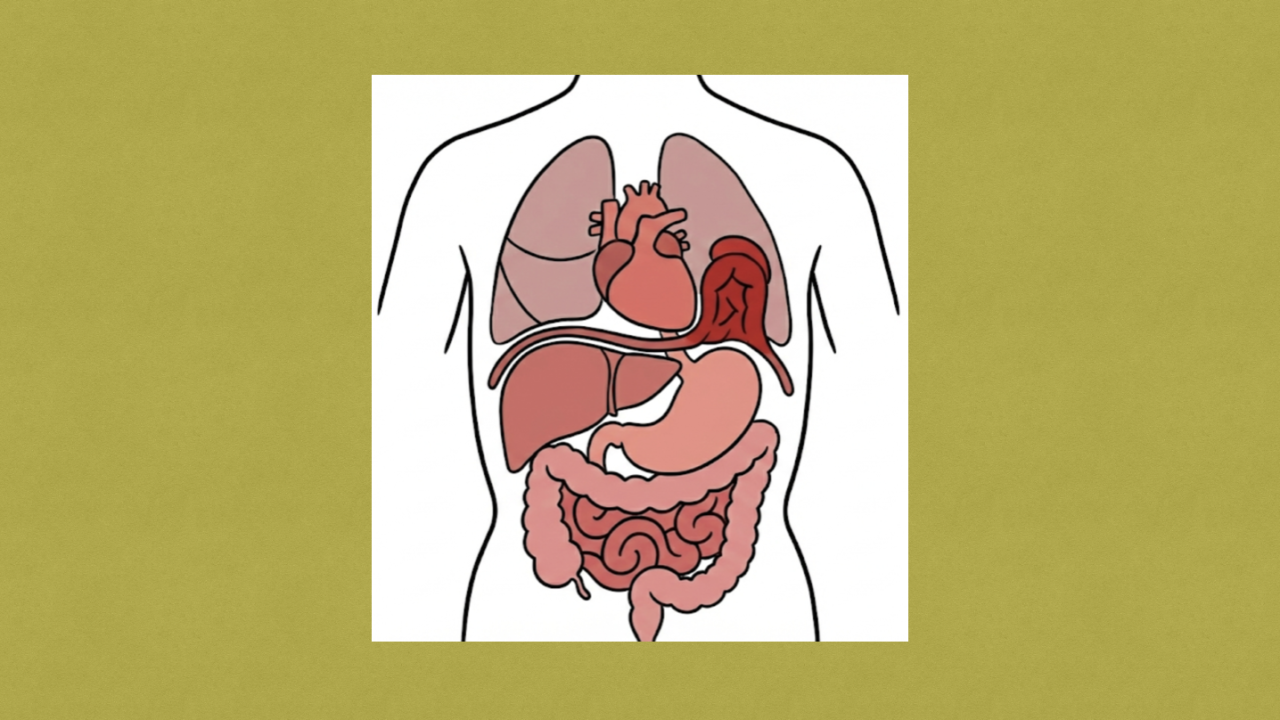
Ileus occurs when there is intestinal distention and either slowing or no passage of luminal contents without a demonstrable mechanical obstruction. The term “ileus” is derived from the Greek word…
Read More
Arterial Line Insertion
Modified Radical Mastectomy
Trauma Thoracotomy
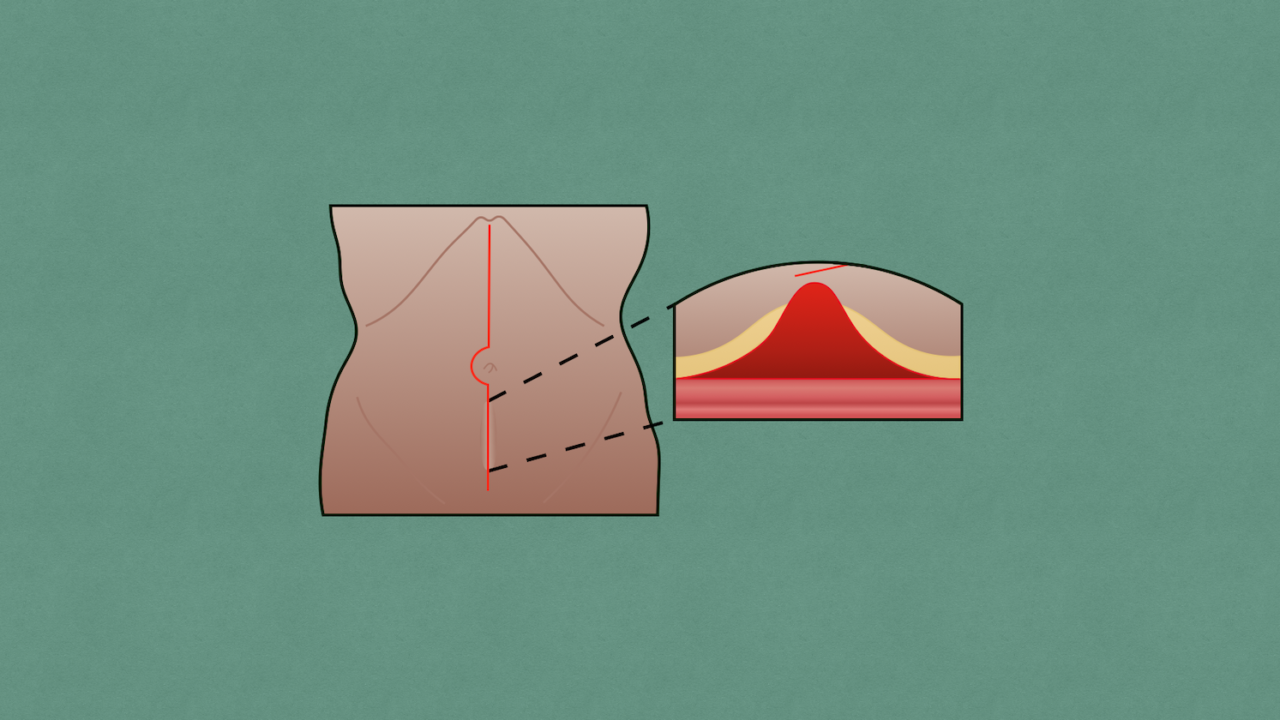
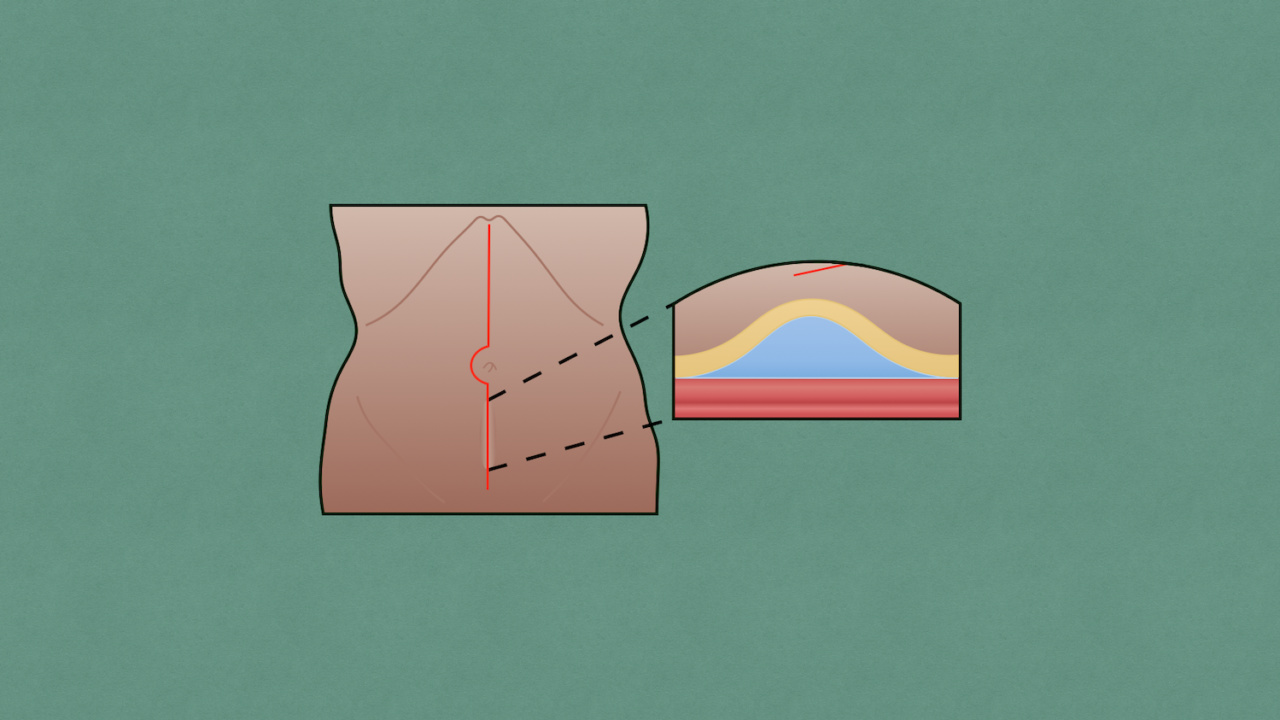
Umbilical Hernia Repair
Thoracotomy
Right Colectomy, Laparoscopic
Fasciotomy, leg
Carotid Endarterectomy
Lower Extremity Amputations
Supracondylar Amputation
Laparotomy
Small Bowel Resection
Pilonidal Cyst Excision
Hemorrhoidectomy
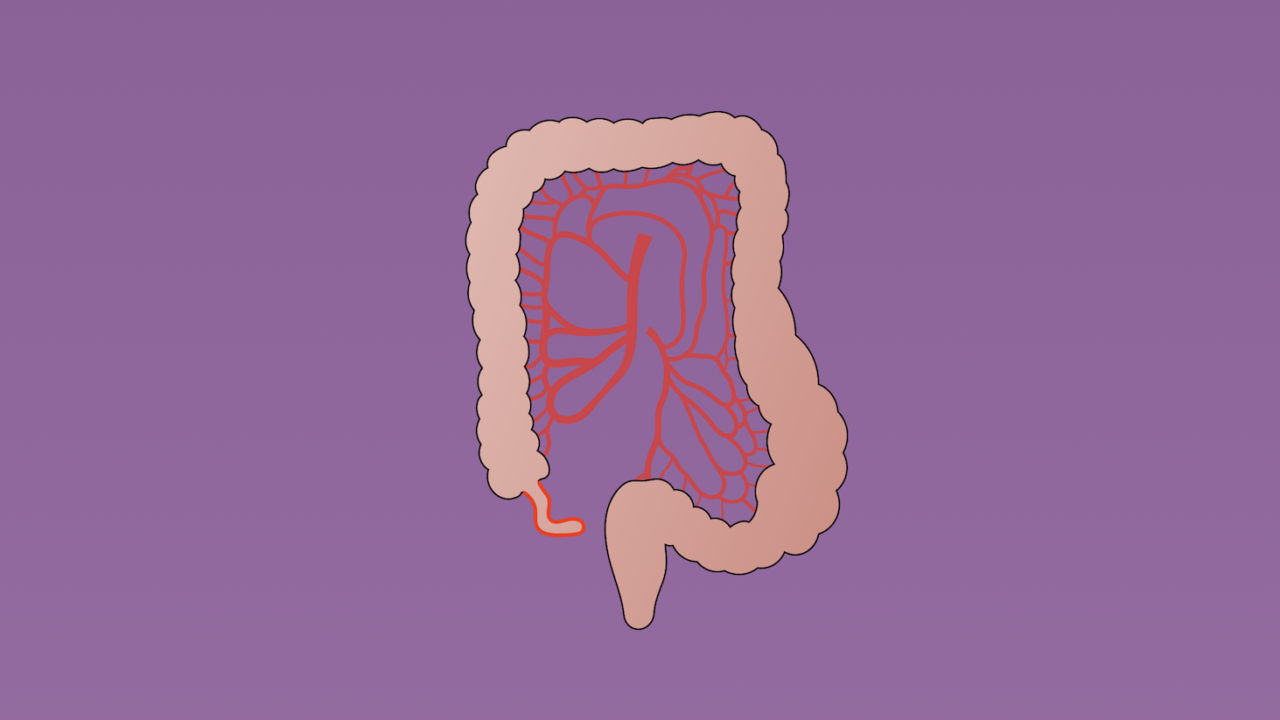
Appendectomy, laparoscopic
Ileus occurs when there is intestinal distention and either slowing or no passage of luminal contents without a demonstrable mechanical obstruction. The term “ileus” is derived from the Greek word…
Read MoreFournier gangrene is a fulminant form of necrotizing fasciitis that affects the perineal, genital, or perianal regions. It was first described in 1883 by Alfred Fournier, a French dermatologist and…
Read MoreOn this page, you’ll find common or once-common surgical incisions. Knowing different types of incisions can give you an idea of a patient’s surgical history after visual inspection during the…
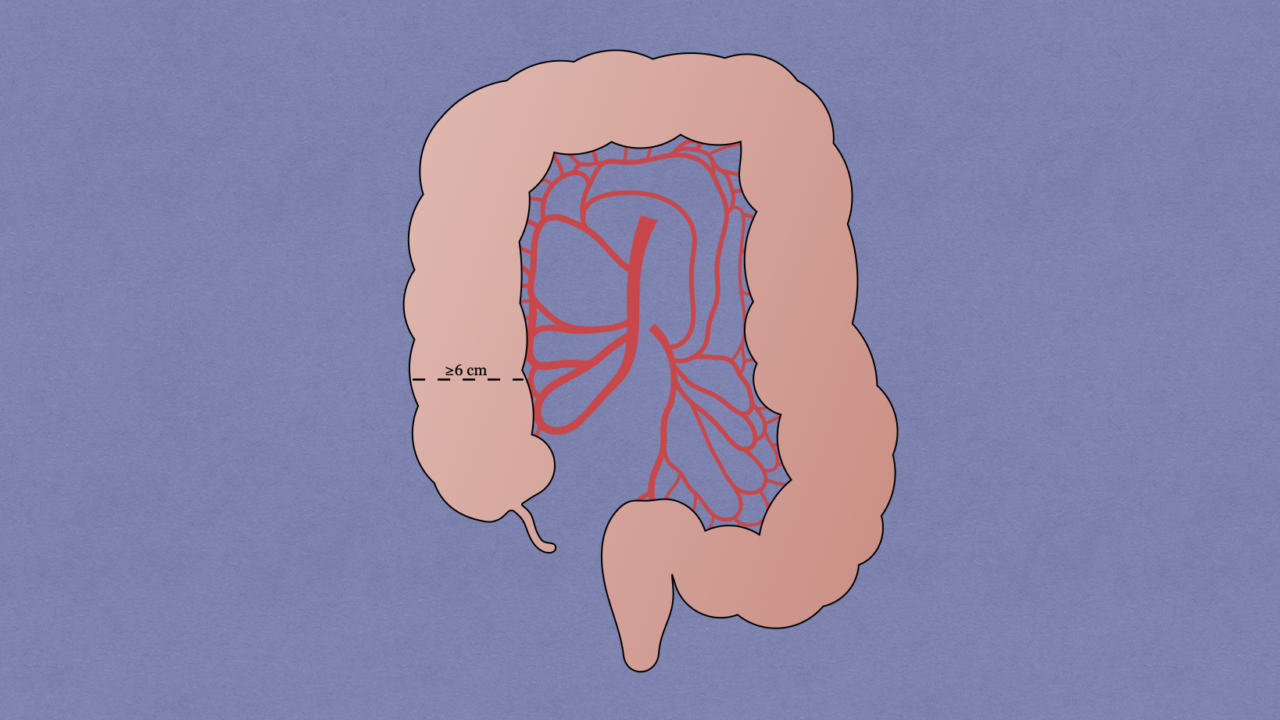
Read MoreLarge bowel obstruction occurs when there is a bowel obstruction distal to the ileocecal valve. Bowel obstructions have been documented as early as 1550 B.C. in the Papyrus. Etiology History…
Read MoreColonic pseudo-obstruction (Ogilvie syndrome) occurs when there is acute dilation of the colon with no mechanical obstruction. It was first described in 1948 by the British surgeon William Heneage Ogilvie.…
Read MoreRight colectomy, or right hemicolectomy, is the surgical removal of the right, or ascending, colon with anastomosis of the remaining ends. It involves division of the ileocolic and right colic…
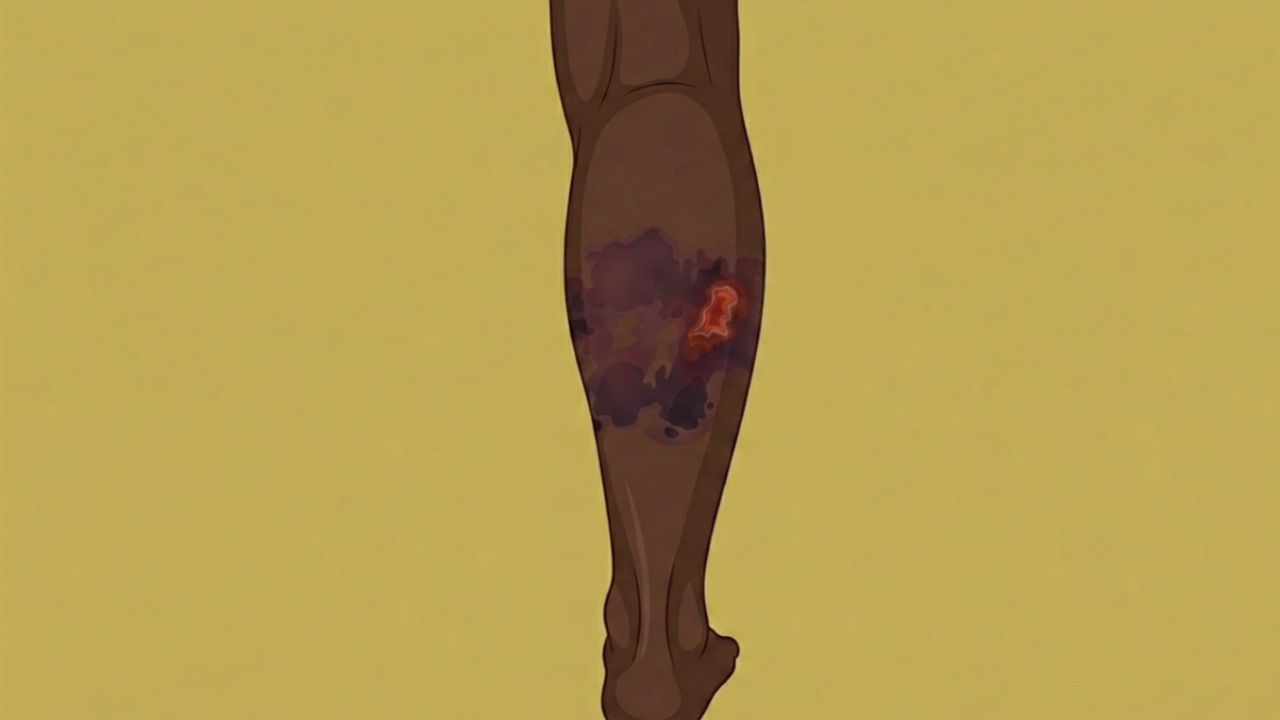
Read MoreAcute compartment syndrome occurs when there is an increased pressure within the closed osteofascial compartment which results in impaired circulation within a few hours of the inciting event. Richard von…
Read MoreFasciotomy is the surgical incision of the fascia to release the intracompartmental pressure as a result of compartment syndrome. Compartment syndrome was first described in 1881 by the German surgeon…
Read More