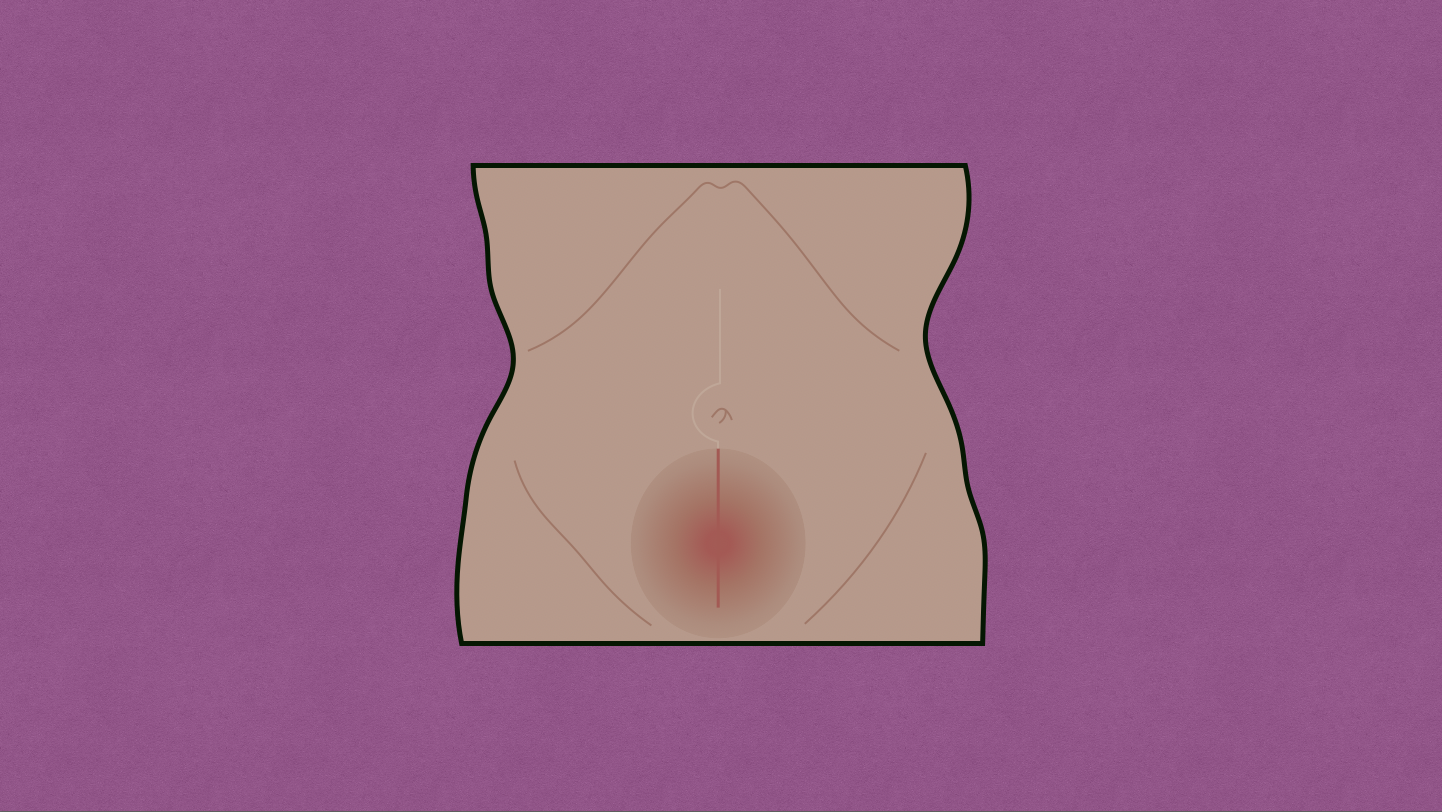
Surgical site infection (SSI) is a complication seen after surgery or an invasive procedure. Around half of all SSIs are potentially preventable if evidence-based best practices are followed, however it should be remembered that even despite best efforts, SSIs will still occur. It is the job of the practitioner to minimize this by following evidence-based guidelines.
Etiology
- Contaminated surgical site (either innate to the procedure or a technique failure)
- Pathogens
- Staphylococcus aureus (most common)
- Coagulase-negative Staphylococcus
- Enterococcus spp.
- Escherichia coli
- Enterobacter spp.
- Pseudomonas aeruginosa
Risk Factors
- Patient factors
- Advanced age
- High BMI
- High ASA score
- High NNIS score
- Diabetes mellitus
- Smoking
- Frailty
- Malnutrition
- Ascites
- Anemia
- Surgery factors
- Surgery duration
- Implantation of prostheses
- Reoperation
- Longer hospital stay prior to surgery
- Inadequate sterilization, skin antisepsis
- Emergency procedure
- Hypothermia
- Intraoperative blood transfusion
- Perioperative shaving
- Failure to obliterate dead space
Surgical Site Infection
- Superficial incisional
- Occurs within 30 days after procedure
- Infection involving skin and subcutaneous tissue of incision plus ≥1 of the following:
- Purulent drainage
- Organisms isolated from fluid/tissue culture
- Pain or tenderness, localized swelling, redness, or heat
- Diagnosis of superficial incisional SSI made by physician
- Presentation: localized redness, swelling, tenderness, warmth, purulent drainage, failure of wound healing
- Deep incisional
- Occurs within 30 days after procedure if no implant left in place or within 1 year if implant is left and infection appears to be related to operation and infection involves deep soft tissue (e.g., fascia, muscle) plus ≥1 of the following:
- Purulent drainage
- Deep incision dehisced or deliberately opened by a surgeon when patient has at least one of the following: fever (>38ºC), localized pain, unless culture is negative
- Abscess or evidence of infection involving deep incision found on exam, reoperation, or radiographically
- Diagnosis of deep incisional SSI made by physician
- Presentation: systemic signs and symptoms of infection (fever, wound dehiscence, purulent drainage)
- Occurs within 30 days after procedure if no implant left in place or within 1 year if implant is left and infection appears to be related to operation and infection involves deep soft tissue (e.g., fascia, muscle) plus ≥1 of the following:
- Organ/space
- Occurs within 30 days after procedure if no implant left in place or within 1 year if implant is left and infection appears to be related to operation and infection involves part of the anatomy other than the incision plus ≥1 of the following:
- Purulent drainage from a drain placed through stab wound into organ/space
- Organisms isolated from culture obtained in organ/space
- Abscess or evidence of infection involving organ/space found on exam, reoperation, or radiographically
- Diagnosis of organ/space SSI made by physician
- Presentation: purulent drainage from surgical drain, systemic signs of sepsis (fever, tachycardia, tachypnea, leukocytosis, signs of organ failure)
- Occurs within 30 days after procedure if no implant left in place or within 1 year if implant is left and infection appears to be related to operation and infection involves part of the anatomy other than the incision plus ≥1 of the following:
Surgical Wound Classification
- Clean
- No hollow viscus entered
- Primary wound closure
- No inflammation
- No breaks in aseptic technique
- Elective procedure
- Infection rate: 1-3%
- Clean contaminated
- Hollow viscus entered by controlled
- Primary wound closure
- No inflammation
- Minor break in aseptic technique
- Mechanical drain used
- Bowel preparation preoperatively
- Infection rate: 5-8%
- Contaminated
- Uncontrolled spillage from viscus
- Open, traumatic wound
- Inflammation apparent
- Major break in aseptic technique
- Infection rate: 20-25%
- Dirty
- Untreated, uncontrolled spillage from viscus
- Pus in operative wound
- Severe inflammation
- Infection rate: 30-40%
Prevention
- Treatment of coexisting infections prior to operative intervention
- Smoking cessation for 1-2 months
- Diabetics need to control blood sugar
- Optimization of nutrition, anemia, and obesity
- Preoperative antibiotics within 60 minutes of skin incision
- Vancomycin and Fluoroquinolones may have to started earlier due to prolonged infusion
- Redosing if duration of surgery is longer than 2 half-lives of the drugs or with massive transfusion protocol
- Cessation of prophylactic antibiotics after 24 hours
- Surgical preparation
- Patient shower night prior to surgery
- Use clippers to remove hair from surgical site
- Prep skin with alcohol-based antiseptic before incision
- Glycemic control with glucose <200 mg/dL
- Avoid perioperative hypothermia (core temperature <36ºC)
- Increased FiO2 during general anesthesia and 2-6 hours postoperatively
Treatment
- Open wounds to allow for drainage
- Debride if devitalized/infected tissues are present
- IV or PO antibiotics given when signs of systemic infection is present (i.e., fever >38ºC, tachycardia >110 beats/min, leukocytosis >12,000/µL) or when cellulitis is present
- Patients at risk for MRSA are treated with antibiotics